Before It's Too Late.
From detection to decision, OTI connects the pieces that slow down early wildfire response.
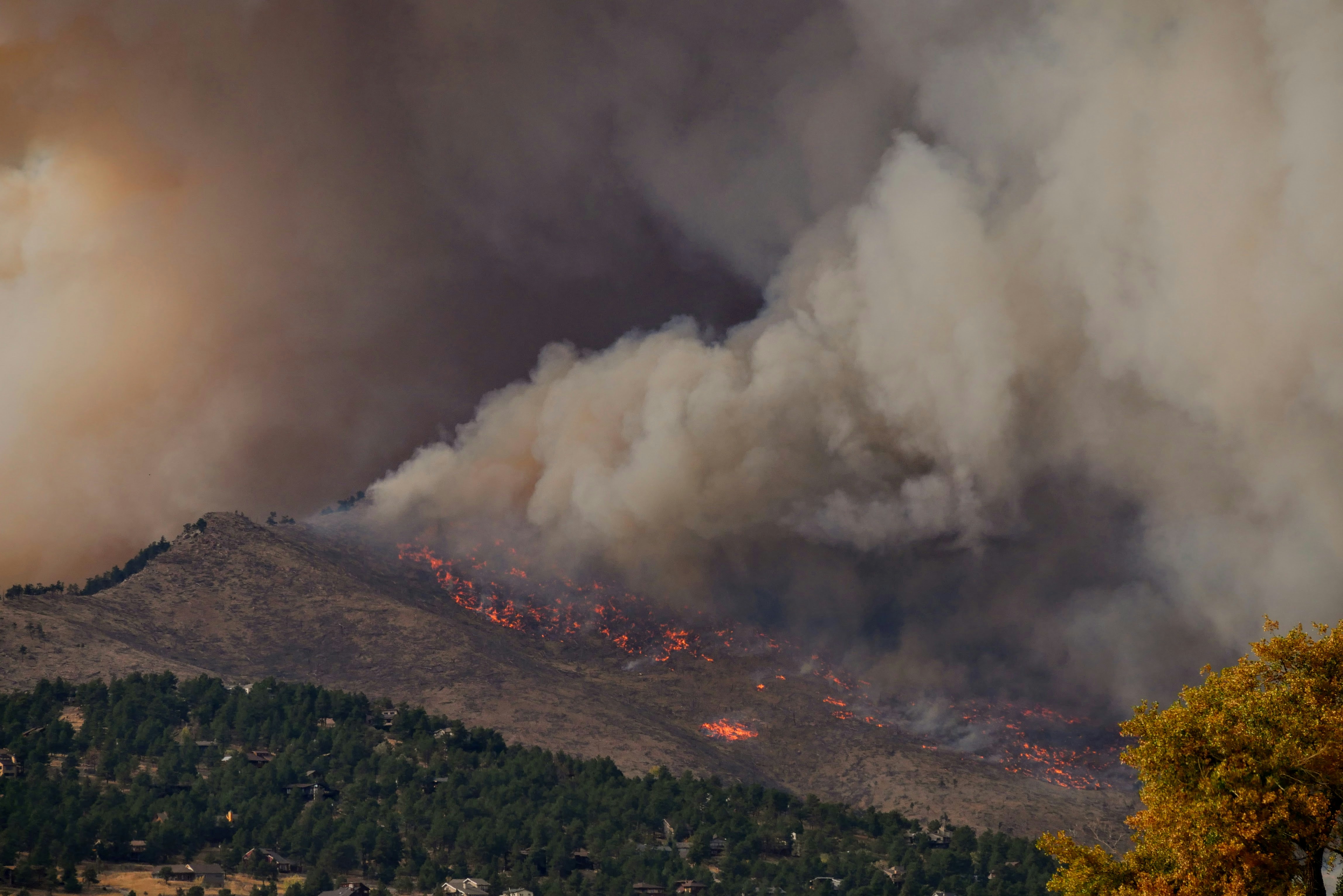
Alerts from terrain without coverage. Remote sensors monitor temperature, humidity, and smoke indicators where cellular service doesn't reach. Alerts trigger within seconds when readings cross dangerous levels, giving you a head start before smoke is visible.
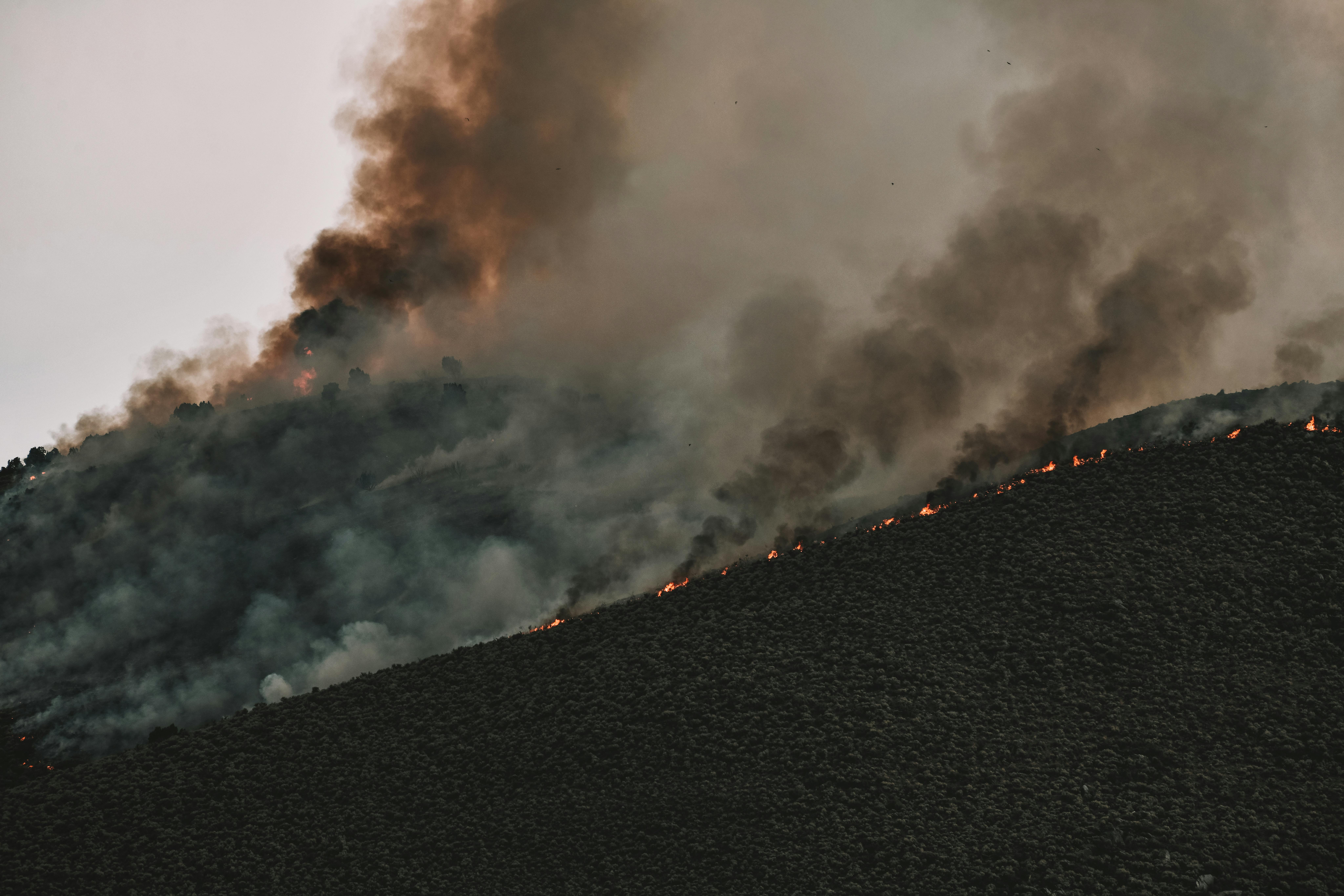
Start a simulation using accurate terrain, wind, fuel and weather. Then insert fuel breaks or other mitigations into the run and compare outcomes side by side. Each result tracks what changed so you can trace every decision back to the inputs.
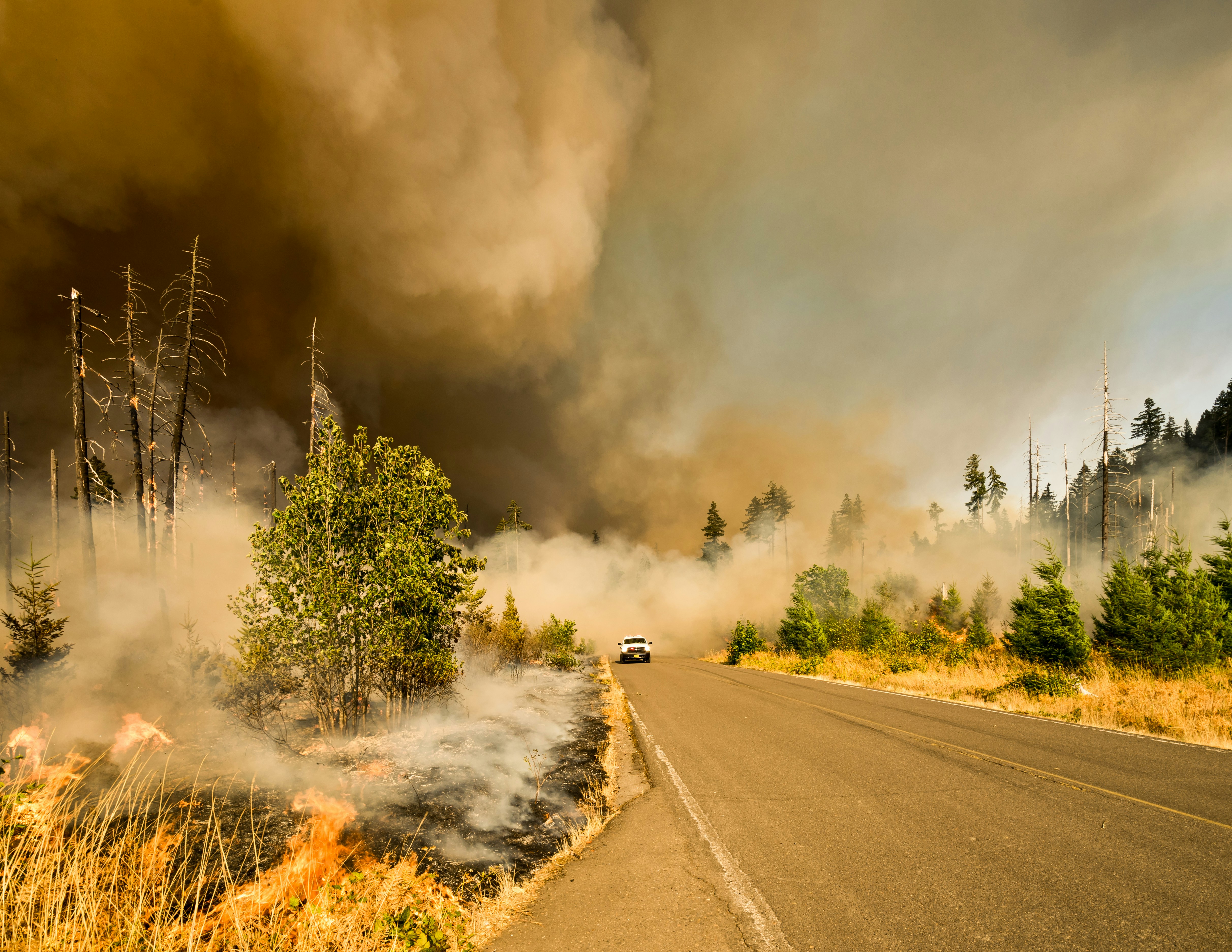
Simulation results, sensor data, and infrastructure layers appear on one shared map. Everyone from command to field crews reviews the same picture.
Maps that move with operations. Export simulation results and run records to the systems your team already uses. Brief a crew, brief an IC, or hand off to the next operational period without rebuilding the context.
Plan before the season, adapt during the fight. Revisit simulations as crews shape the landscape and conditions shift. Run against different weather scenarios to plan fuel breaks before summer. Preserve every version so the next operational period starts with sharper context, not a blank map.
We built this platform for organizations that deal with wildfire risk every day. Whether you manage public land, protect infrastructure, or respond to emergencies, OTI is designed for how you work.
Forestry departments and public land agencies could use OTI to monitor millions of acres. Our tools work with existing dispatch and coordination systems to cover large, remote areas.
Utilities, pipeline operators, and energy companies operate in fire-prone regions where every minute matters. OTI helps detect fires and map their spread so crews can protect critical assets before a fire reaches them.
Insurers, reinsurers, and mitigation programs could use OTI to evaluate wildfire exposure, inform resilience investments, and monitor live events. OTI data is built for human review. It supports mitigation and response, not automated underwriting decisions.
Fire-tech platforms, public safety apps, and mapping tools can pull data directly from OTI. Our integrations are built for live data sharing.
Local fire departments can see how a fire is moving across their district. Run live simulations during an active incident to give commanders a clearer picture of where it is headed, helping them deploy crews faster and coordinate with partners.
Universities and research institutions can access OTI sensor data and simulation tools to study fire behavior. Model how historical fires would spread under different conditions, and publish findings grounded in real-world data. Students can use the same tools for coursework, thesis research, and independent projects.
Out There Industries started as an open-source project. A direct encounter with a wildfire changed our direction and made the mission personal. What followed was a platform built to close the gap between when a fire starts and when the right people know about it. Public-sector teams can also review our wildfire intelligence capability statement.
We combine sensor data, satellite imagery, and open-source AI models to run fire simulations in the browser. The result is a 3D interactive map that shows where fire is likely to spread.
We collaborate openly with the research and public safety communities. Our tools are designed to extend what agencies already do and work alongside the systems they depend on.
Get useful information to the people who need it. Federal agencies, utilities, insurers, and developers all face different wildfire questions. OTI gives them answers they can act on in the field.
We build on open-source technologies and publish what we learn along the way. Our tools are designed to be affordable and accessible for practitioners, communities, and agencies alike.
Review technical background and procurement materials for teams evaluating OTI.
Have questions about OTI? Want to explore a partnership or join our beta program? We would like to hear from you.